

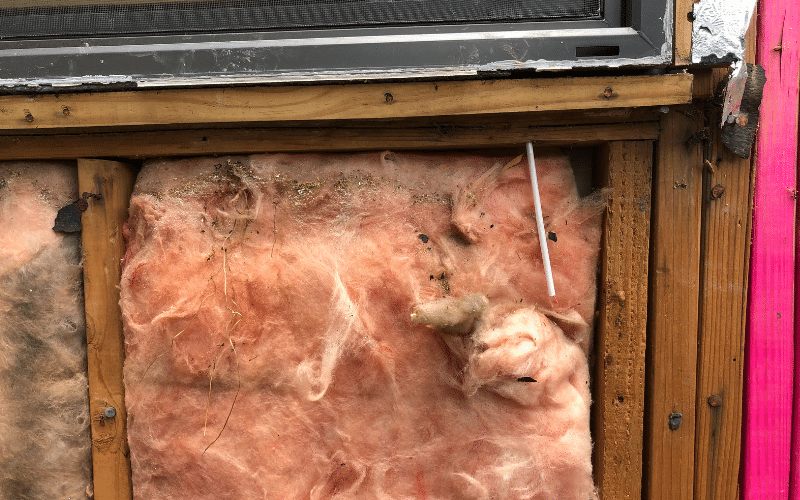
Homeowners in Northern Colorado know how important insulation is for keeping their homes warm during the winter. But did you know that poor insulation can also contribute to moisture problems and mold growth?
While many people associate mold growth with summer heat and humidity, winter conditions can also create an environment where mold thrives. When warm indoor air meets cold surfaces, condensation can form, allowing moisture to accumulate in walls, attics, crawl spaces, and around insulation.
Mold on insulation and surrounding building materials can be difficult to detect, especially when moisture problems develop in hidden areas of your home.
Read on to learn how poor insulation contributes to winter mold growth, what humidity levels increase the risk of mold, where to look for warning signs, and how Code 3 can help protect your Northern Colorado home.
Key Takeaways
- Poor or damaged insulation can contribute to condensation and moisture buildup, creating conditions for mold growth.
- Mold on insulation or nearby materials is commonly associated with excess moisture, air leaks, and inadequate ventilation.
- Indoor humidity levels can contribute to mold growth when moisture condenses on cold surfaces.
- Attics, crawl spaces, exterior walls, and areas behind insulation are common places for hidden winter mold problems.
- Code 3 offers free inspections and assessments within its Northern Colorado service area to help identify potential mold and moisture concerns.
How Does Poor Insulation Cause Mold Growth?
Think about what happens when you leave a cold drink in a warm room. Moisture forms on the outside of the glass as warm air meets the cold surface.
A similar process can happen inside your home during the winter.
When insulation is damaged, insufficient, or improperly installed, cold outdoor temperatures can cause interior surfaces to become cold enough for condensation to form. Moisture can also accumulate when warm, humid indoor air leaks into colder areas inside your walls or attic.
Over time, this moisture buildup can create conditions for mold growth.
Although insulation itself isn’t always a food source for mold, surrounding materials like drywall paper, wood framing, and accumulated dust can support mold growth when they become damp.
This is why addressing insulation problems and controlling moisture are both important for preventing mold growth during Northern Colorado winters.
Can Mold Grow on Insulation?
Yes, mold can grow on insulation, although the likelihood depends on the insulation material, available moisture, and surrounding conditions.
Fiberglass insulation generally does not provide the organic nutrients mold needs to grow. However, dust, debris, and nearby building materials can support mold growth when moisture is present.
Other insulation materials, particularly those containing organic components, may be more susceptible to mold growth when exposed to persistent dampness.
Common factors contributing to mold on insulation include:
- Condensation: Warm, humid indoor air comes into contact with cold surfaces, allowing moisture to accumulate.
- Air leaks: Gaps around insulation allow warm air to enter colder wall cavities and attic spaces.
- Roof or plumbing leaks: Water intrusion can saturate insulation and surrounding building materials.
- Poor ventilation: Inadequate airflow and moisture removal can contribute to persistent dampness.
- High indoor humidity: Excess moisture in the air increases the potential for condensation on cold surfaces.
If you discover mold on insulation, it’s important to identify the underlying moisture source before replacing affected materials. Otherwise, the problem may return.
What Is the Ideal Indoor Humidity for Preventing Mold Growth?
Indoor humidity plays an important role in winter mold growth.
When we seal up our homes to keep cold air out, moisture from everyday activities can become trapped indoors.
Common sources of indoor humidity include:
- Using humidifiers
- Cooking
- Breathing
- Poor dryer ventilation
- Inadequate bathroom ventilation
- Moisture entering from crawl spaces
What Humidity Level Causes Mold Growth?
There isn’t one specific indoor humidity level that automatically causes mold growth.
Mold growth depends on how much moisture is available on a surface, how long that moisture remains, and the surrounding conditions.
Generally, keeping indoor relative humidity below 60% helps reduce mold risk, with levels around 30–50% commonly recommended.
During cold Northern Colorado winters, maintaining indoor humidity around 30–40% may help reduce condensation, although lower levels may be necessary during extremely cold weather.
Even humidity levels around 35–45% can contribute to condensation when surfaces are cold enough.
If moisture repeatedly collects on windows, exterior walls, or other cold surfaces, your indoor humidity may be too high for the conditions inside your home.
Monitoring humidity with a hygrometer and improving ventilation can help prevent moisture buildup and reduce the risk of mold growth.
Condensation Inside Walls: A Hidden Cause of Winter Mold Growth
Not all condensation is easy to spot.
During the winter, moisture can build up inside walls, attics, and other hidden areas of your home, sometimes contributing to mold growth long before visible signs appear.
One factor that can contribute to these issues is called the stack effect.
This natural process occurs when warm indoor air rises and escapes through openings in the upper levels of a home. As warm air escapes, it creates negative pressure on lower levels, pulling cold outdoor air inside through gaps and openings.
This movement of air can contribute to:
- Cold floors and drafts
- Higher heating bills
- Uneven indoor temperatures
- Condensation inside walls and attics
- Moisture buildup around insulation
- Hidden mold growth
When warm, moisture-filled air reaches cold surfaces inside walls or attics, condensation can form.
If the moisture persists, mold may begin growing on nearby drywall, wood framing, dust, or other materials.
Because these areas are often hidden, homeowners may not realize there is a problem until they notice musty odors, water stains, or visible damage.
Where Is Mold on Insulation Most Likely to Develop?
While mold can develop in many areas of your home, certain locations are more susceptible to winter moisture problems.
Keep an eye on these common problem areas:
- Behind insulation and vapor barriers: Moisture can become trapped, creating conditions for mold growth on nearby surfaces.
- Attics and attic insulation: Air leaks, poor ventilation, and condensation can contribute to mold growth in attic spaces.
- Rim joists and band boards: Gaps and insufficient insulation can allow cold air to enter and moisture to accumulate.
- OSB and wood framing: These materials can support mold growth when exposed to excessive moisture.
- Drywall and drywall paper: Condensation or water intrusion can create damp conditions that allow mold to develop.
- Crawl spaces: Excess moisture and inadequate moisture control can increase the risk of mold growth around insulation and structural materials.
- Under sinks: Plumbing leaks and persistent dampness can create an environment where mold thrives.
- Laundry areas: Excess humidity and poor dryer ventilation can contribute to moisture problems.
If your home feels unusually humid this winter, pay particular attention to these areas for signs of condensation, water damage, or mold growth.
Signs of Mold Growth Behind Walls and Insulation
Mold on insulation isn’t always visible, especially when it develops behind drywall or inside attic and crawl space areas.
Knowing the warning signs can help you identify potential moisture problems before they cause more extensive damage.
Common signs include:
- Musty or earthy odors
- Visible mold growth or unexplained dark spots
- Cold or damp spots on drywall
- Bubbling or peeling paint and wall texture
- Brown or yellow water stains
- Frost buildup on the inside of windows or in the attic
- Persistent allergy-like symptoms or respiratory irritation that may be associated with indoor environmental conditions
These signs don’t necessarily mean mold is present, but they may indicate excess moisture, water intrusion, or conditions that support mold growth.
If you suspect mold is growing behind walls or insulation, a professional assessment can help identify potential moisture sources and determine the appropriate next steps.
How to Prevent Mold Growth on Insulation During Winter
Preventing mold growth starts with controlling moisture and addressing the conditions that allow condensation to develop.
Here are six steps Northern Colorado homeowners can take to reduce winter moisture problems.
- Change your furnace filter. Replace your filter according to the manufacturer’s recommendations to help your HVAC system operate properly. While this doesn’t directly prevent mold on insulation, proper HVAC maintenance supports overall indoor air management.
- Don’t overuse your humidifier. Adding too much moisture to your home can increase the risk of condensation, especially when outdoor temperatures drop.
- Monitor indoor humidity. Aim for relative indoor humidity around 30–40% during cold weather, adjusting as needed to prevent condensation on cold surfaces.
- Improve bathroom ventilation. Use an exhaust fan while showering and afterward to help remove excess moisture. If you don’t have a bathroom fan, opening the door can help distribute moisture, but proper ventilation to the outdoors is preferable.
- Seal air leaks. Check for gaps around windows, light fixtures, and other openings where air can enter or escape. Sealing these gaps can help reduce drafts and limit moisture movement into cold areas.
- Check your insulation and ventilation. Inspect accessible areas like your attic and crawl space for damaged insulation, excess moisture, or signs of condensation.
These preventive measures can help reduce moisture buildup and the risk of winter mold growth.
However, if insulation is already wet or mold growth is suspected inside walls, it’s important to identify and address the underlying moisture problem rather than simply covering or replacing affected materials.
Frequently Asked Questions About Mold on Insulation
Can mold grow on fiberglass insulation?
Yes. Although fiberglass itself generally doesn’t provide the nutrients mold needs, mold can grow on accumulated dust, debris, or surrounding organic materials when moisture is present.
What humidity level is too high for mold growth?
Indoor relative humidity above 60% can increase the risk of mold growth. However, mold can also develop at lower indoor humidity levels if condensation forms on cold surfaces. During winter, maintaining humidity around 30–40% can help reduce condensation risk.
Does moldy insulation need to be replaced?
It depends on the insulation material, extent of contamination, and moisture damage. Some affected insulation may need to be removed and replaced. A professional assessment can help determine the appropriate approach.
Can poor insulation cause mold behind drywall?
Yes. Poor insulation and air leaks can allow surfaces inside wall cavities to become cold enough for condensation to form. If moisture persists, mold may grow on drywall paper, wood framing, and other organic materials.
When to Call Code 3 for Mold Concerns
If you’ve noticed signs of mold growth, moisture buildup, or possible mold on insulation this winter, Code 3 Water Restoration & Mold Remediation can help.
Our team offers free inspections and assessments within our Northern Colorado service area to help homeowners identify potential mold and moisture concerns.
Whether you’ve noticed a musty odor, unexplained water stains, or signs of moisture behind your walls, a professional assessment can help you understand the problem and determine the next steps.
When it comes to mold growth, addressing moisture problems early can help prevent more extensive damage.
Contact Code 3 today if you suspect mold growth in your home and take the first step toward protecting your property this winter.