

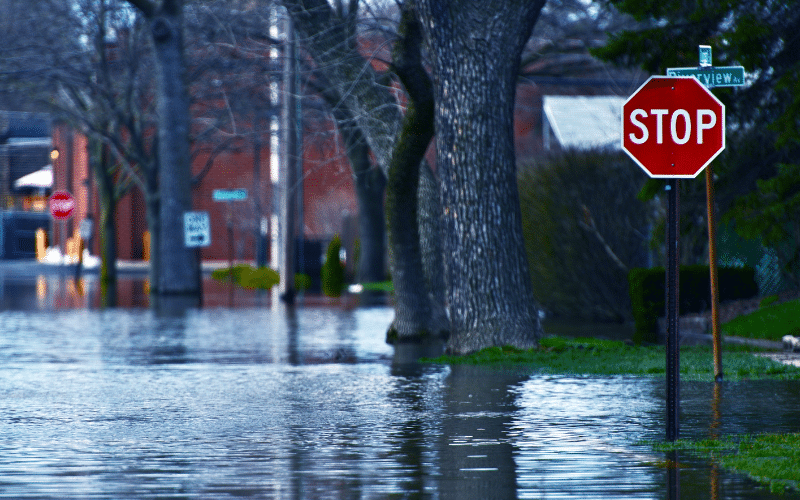
Colorado summers bring sunshine, warm temperatures, and unpredictable weather. Heavy rain, hailstorms, high winds, and flash flooding can develop quickly, leaving homeowners dealing with unexpected property damage. For homeowners in Northern Colorado, understanding how to prevent storm water damage is an important part of protecting their homes.
From basement flooding after heavy rain to roof leaks and hidden moisture, storm-related water damage can happen even when a home appears well-maintained. Without proper cleanup and drying, a relatively small water intrusion issue can lead to costly repairs and potential mold growth.
At Code 3 Water Restoration, we’ve helped homeowners and businesses throughout Northern Colorado address storm-related water damage. Here are our recommendations for preparing your home, recognizing the warning signs of water intrusion, and knowing when to seek professional help.
How Colorado Summer Storms Cause Water Damage
Colorado’s rapidly changing weather conditions can create several risks for residential and commercial properties. While any severe weather event can cause damage, heavy rainfall, hail, and high winds are among the most common concerns.
Heavy Rain and Flash Flooding: Intense rainfall can overwhelm gutters, drainage systems, and basement window wells. When water collects around a home’s foundation, it may enter through cracks, windows, or other vulnerable areas.
Hailstorms: Colorado hailstorms can damage shingles, roofing materials, siding, and windows. These openings may allow rainwater to enter the home during subsequent storms.
High Winds and Wind-Driven Rain: Strong winds can damage exterior materials and force water through gaps around windows, doors, and roofing.
Poor Drainage and Saturated Soil: When the ground becomes saturated, water may accumulate near foundations and enter basements or crawl spaces, particularly when grading or drainage systems are inadequate.
Common Types of Storm-Related Water Damage
At Code 3, some of the most common storm-related problems we encounter include:
- Basement flooding after heavy rain
- Crawl space flooding and standing water
- Roof leaks and ceiling water damage
- Foundation-related water intrusion
- Water damage around windows and doors
- Moisture trapped behind drywall or beneath flooring
Basements and crawl spaces are particularly vulnerable because water naturally travels toward lower areas. Even when flooding is limited to a small section of the home, moisture can spread into surrounding building materials.
How to Prevent Basement Flooding During Heavy Rain
Taking preventative measures before storm season can significantly reduce the risk of water entering your home. Routine maintenance, proper drainage, and regular inspections are some of the most effective ways to protect your property.
1. Clean Gutters and Direct Downspouts Away From Your Home
Clogged gutters are a common contributor to storm water damage. When leaves, dirt, and debris prevent rainwater from flowing properly, water can overflow and collect around the foundation.
Clean gutters regularly, especially before periods of heavy rainfall. Check that downspouts are securely connected and direct water away from the house.
2. Inspect Your Roof, Windows, and Exterior
Damaged shingles, deteriorating seals, and gaps around exterior openings can allow water to enter during storms.
Inspect your roof and exterior regularly for missing shingles, damaged flashing, cracked seals, and other signs of wear. After a hailstorm or high-wind event, consider scheduling a professional roof inspection to identify damage that may not be visible from the ground.
3. Check Landscaping and Foundation Drainage
The grading around your home plays an important role in preventing basement flooding.
If landscaping slopes toward your foundation, rainwater may collect against exterior walls rather than draining away from the property.
Watch for standing water near your home after storms. Low spots, poorly positioned landscaping features, and inadequate drainage can all contribute to water intrusion.
4. Maintain Your Sump Pump and Drainage Systems
A properly functioning sump pump can be one of the most important defenses against basement and crawl space flooding.
Sump pumps help remove accumulated groundwater and direct it away from the home. When a pump fails or becomes overwhelmed, water can collect beneath or around the property, increasing the risk of flooding and foundation issues.
Before storm season:
- Test your sump pump to confirm it activates and removes water properly.
- Inspect the sump pit for debris.
- Check the discharge line for blockages.
- Consider a battery backup system in case severe weather causes a power outage.
Regular maintenance can help reduce the likelihood of sump pump failure during heavy rainfall.
Signs of Water Damage After a Storm
Not all storm water damage is immediately visible. While standing water is an obvious warning sign, moisture can also enter hidden areas and remain trapped after the storm has passed.
After heavy rain or severe weather, inspect your home for the following signs of water intrusion:
- Water stains: Yellow or brown discoloration on ceilings, walls, or around windows may indicate a leak.
- Damaged drywall: Bubbling paint, peeling finishes, or soft drywall can signal moisture behind the surface.
- Musty odors: Persistent damp or musty smells may indicate hidden moisture or mold growth.
- Wet carpet or flooring: Damp spots, warped flooring, or changes in flooring materials can indicate water intrusion.
- Pooling water: Standing water near foundation walls, basement windows, or crawl space entrances may indicate drainage problems.
Hidden Water Damage and Mold Growth
One of the biggest concerns after a storm is moisture that homeowners cannot see.
Water can travel behind drywall, beneath flooring, into insulation, and through other porous building materials. Even when visible surfaces appear dry, moisture may remain trapped inside.
Under favorable conditions, mold can begin growing on damp materials within 24 to 48 hours. If affected areas aren’t thoroughly dried and properly treated, mold growth and additional damage may develop.
A professional water damage inspection can help identify hidden moisture and determine whether additional drying or remediation is necessary.
What to Do If Your Basement Floods After Heavy Rain
Discovering water in your basement or another area of your home can be stressful. Taking action during the first 24 hours can help reduce property damage and prevent additional problems.
Step 1: Stop the Source of Water If Possible
If you can safely identify and stop the source of water intrusion, do so immediately.
During active flooding, however, it may not be possible to stop water from entering until the storm subsides or exterior drainage issues are addressed.
Never enter standing water if electrical hazards may be present, and avoid areas with suspected structural damage.
Step 2: Move Belongings Away From Affected Areas
If conditions are safe, move furniture, electronics, rugs, and other personal belongings away from wet surfaces.
Removing belongings from the affected area can help limit damage and provide better access for cleanup and drying.
Step 3: Document the Storm Water Damage
Before beginning major cleanup, take photos and videos of the affected areas and damaged belongings.
Contact your insurance provider promptly to report the incident and review your coverage. Standard homeowners insurance policies generally exclude flood damage, and coverage for other types of water intrusion depends on the policy and cause of loss.
Step 4: Begin Safe Water Cleanup and Drying
For small, clean-water incidents, increasing ventilation and using fans may help begin the drying process. Wet carpeting may need to be lifted so the padding and subfloor can be properly evaluated and dried.
However, household fans and surface cleaning may not be sufficient when water has reached drywall, insulation, flooring, or other porous materials.
Do not attempt DIY cleanup of contaminated floodwater or use fans that could spread contaminants throughout the home.
Step 5: Schedule a Professional Water Damage Inspection
Even if you’ve removed the visible water, moisture may remain behind walls, beneath flooring, or in other hidden spaces.
Code 3 Water Restoration offers free water damage inspections and consultations within our Northern Colorado service area to help homeowners determine whether affected areas are properly dry and whether additional cleaning or professional mitigation is necessary.
Common Mistakes Homeowners Make After Storm Water Damage
One of the most common mistakes homeowners make after flooding is assuming that removing visible water means the problem has been resolved.
Water can travel beyond the original affected area, leaving moisture trapped in materials that may appear dry on the surface.
Other common mistakes include:
- Waiting too long to address the damage: Delaying cleanup increases the risk of mold growth and additional property damage.
- Failing to dry all affected materials: Carpet padding, subflooring, drywall, and insulation can retain moisture after visible water has been removed.
- Overlooking cleaning and disinfection: Depending on the source and extent of water intrusion, affected areas may require specialized cleaning and disinfection.
- Ignoring recurring moisture problems: Repeated water intrusion can indicate unresolved drainage, roofing, or foundation issues.
- Delaying communication with insurance: Reporting damage promptly and maintaining documentation can help with the claims process.
Proper water damage cleanup involves more than removing standing water. Identifying where the water traveled and ensuring affected materials are thoroughly dried are essential steps in preventing additional damage.
When to Call a Water Damage Restoration Professional
Not every water incident requires extensive restoration work, but knowing when to seek professional assistance can help prevent a minor problem from becoming a larger one.
Consider scheduling a professional water damage assessment if:
- Your basement or crawl space floods after heavy rain.
- Water has reached carpeting, drywall, or insulation.
- You notice musty odors or unexplained moisture after a storm.
- Water may have traveled behind walls or beneath flooring.
- Your sump pump has failed or your drainage system has been overwhelmed.
- You’re unsure whether affected materials have dried completely.
Even when water is discovered and cleaned up quickly, professional moisture detection can help identify areas that may otherwise go unnoticed.
When heavy rain causes basement flooding, crawl space water intrusion, or leaks through windows and roofing, Code 3 Water Restoration can assess the affected areas and identify moisture that may not be visible. Depending on the extent of the damage, professional water extraction, structural drying, cleaning, and disinfection may be needed to properly address the water intrusion and help prevent additional damage.
At Code 3 Water Restoration, we encourage homeowners to take advantage of our free inspections within our service area, even when they believe the water damage has already been addressed.
Storm-Related Water Damage in Fort Collins: Real Examples
Heavy rainfall can create unexpected flooding problems, even in homes without a history of water intrusion.
During a period of heavy rain in Fort Collins, Code 3 assisted a homeowner whose basement window wells filled with water. As the water accumulated, it eventually entered through the basement windows, resulting in flooding and drywall damage.
This type of incident demonstrates how quickly an overwhelmed drainage area can lead to interior water damage.
Commercial properties face similar challenges. Code 3 has also encountered water intrusion in commercial buildings with flat roofs where inadequate sealing or improper drainage allowed water to collect and enter the structure.
These examples highlight the importance of maintaining drainage systems, inspecting vulnerable areas, and responding quickly when storm water damage occurs.
Frequently Asked Questions About Storm Water Damage
Can heavy rain cause basement flooding?
Yes. Heavy rainfall can saturate the soil surrounding a home, overwhelm drainage systems, and cause water to collect near foundation walls or basement windows. Poor grading, clogged gutters, and sump pump failures can increase the risk of basement flooding after heavy rain.
How can I prevent water from entering my basement during a storm?
Keep gutters and downspouts clear, direct water away from the foundation, maintain proper landscaping and grading, and regularly test your sump pump. Inspecting basement window wells and addressing drainage problems can also help reduce the risk of water intrusion.
How quickly can mold grow after water damage?
Mold can begin growing on damp materials within 24 to 48 hours under favorable conditions. Prompt water removal, thorough drying, and appropriate cleaning are important for reducing the risk of mold growth after flooding or leaks.
Does homeowners insurance cover basement flooding from heavy rain?
Coverage depends on how the water entered the home and the terms of your insurance policy. Standard homeowners insurance generally does not cover flooding from surface water, which typically requires separate flood insurance. Some other water damage incidents may be covered, depending on the cause and policy provisions. Contact your insurance provider to review your coverage.
Do I need professional water damage restoration if the water has already dried?
Not necessarily, but a professional inspection can help determine whether moisture remains trapped behind walls, beneath flooring, or inside other building materials. Even when surfaces appear dry, hidden moisture can contribute to mold growth and additional damage.
Protect Your Northern Colorado Home from Storm Water Damage
Colorado’s summer storms can be unpredictable, but taking preventative measures and responding quickly to water intrusion can help protect your home from costly damage.
Regular gutter maintenance, proper drainage, sump pump inspections, and routine roof checks can all help reduce the risk of basement flooding and storm-related water damage.
If your home or business experiences flooding, a roof leak, or other water intrusion, don’t assume the problem is resolved simply because the visible water has disappeared.
Code 3 Water Restoration helps homeowners and businesses throughout Northern Colorado identify and address water damage before it becomes a bigger problem.
Contact Code 3 Water Restoration today to schedule a free water damage inspection within our service area. Our team can assess affected areas, identify hidden moisture, and help determine the appropriate next steps to protect your property.